
Contraception Options: A GP Guide
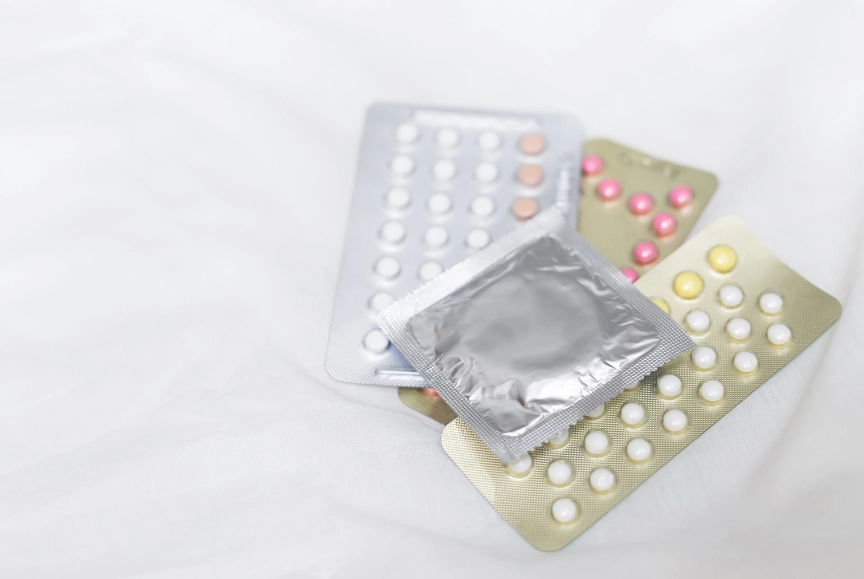
Contraception options in Australia include the combined pill, progestogen-only pill, hormonal and copper IUDs, the implant, the injection, and barrier methods. The right choice depends on individual health history, side effect tolerance, and personal preference, not a single "best" option. World Contraception Day, marked on 26 September, is a good prompt to revisit yours.
Options Comparison
Each option has a different profile in terms of effectiveness with typical use, side effects, how easily it can be reversed, and what it costs upfront versus over time. None is ranked above another here, because the right one depends on your own health history and what matters to you.
Common considerations when choosing
- Side effects: hormonal methods can affect mood, bleeding patterns, and libido differently from person to person, and these often settle after the first few months
- Reversibility: the pill, IUDs, implants, and barrier methods stop working almost immediately once discontinued; IUDs and implants require a GP visit for removal
- Non-contraceptive benefits: some methods, including the hormonal IUD and combined pill, can also reduce period pain and heavy bleeding
- Migraine and blood clot history: the combined pill isn't suitable for everyone, particularly those with migraine with aura or a history of blood clots, so this is always checked first
- STI protection: only condoms protect against STIs, so they're sometimes used alongside another method rather than instead of it
What to expect from a consult
A contraception consult is a conversation, not a prescription handed over on the spot. Your GP will ask about your medical history, any current medications, whether you smoke, migraine history, and what you're hoping for, whether that's convenience, minimal side effects, or reducing period symptoms. From there, they'll talk through which options are medically suitable and help you weigh them up. If you're moving from one method to another, your GP will also cover how to switch without a gap in coverage.
If you're currently on a method that isn't working for you, thinking about switching, or you've never had a proper conversation about your options, this is worth booking in for.
FAQs
What is the most effective form of contraception? Long-acting reversible methods, including IUDs and the implant, have the lowest failure rates with typical use because they don't depend on daily or per-use action. Effectiveness for any method still depends on correct use.
Which contraception methods are hormone-free? The copper IUD and condoms are the main hormone-free options available in Australia.
Can I switch contraception methods easily? Yes, but timing matters to avoid a gap in coverage. Your GP will advise how to transition based on the specific methods involved.
Can a GP help me choose contraception? Yes. A GP reviews your medical history, current medications, and preferences, then talks through which options are medically suitable for you.

Your health journey starts here
Connect with a team that listens and supports your unique path to wellness and healing.
